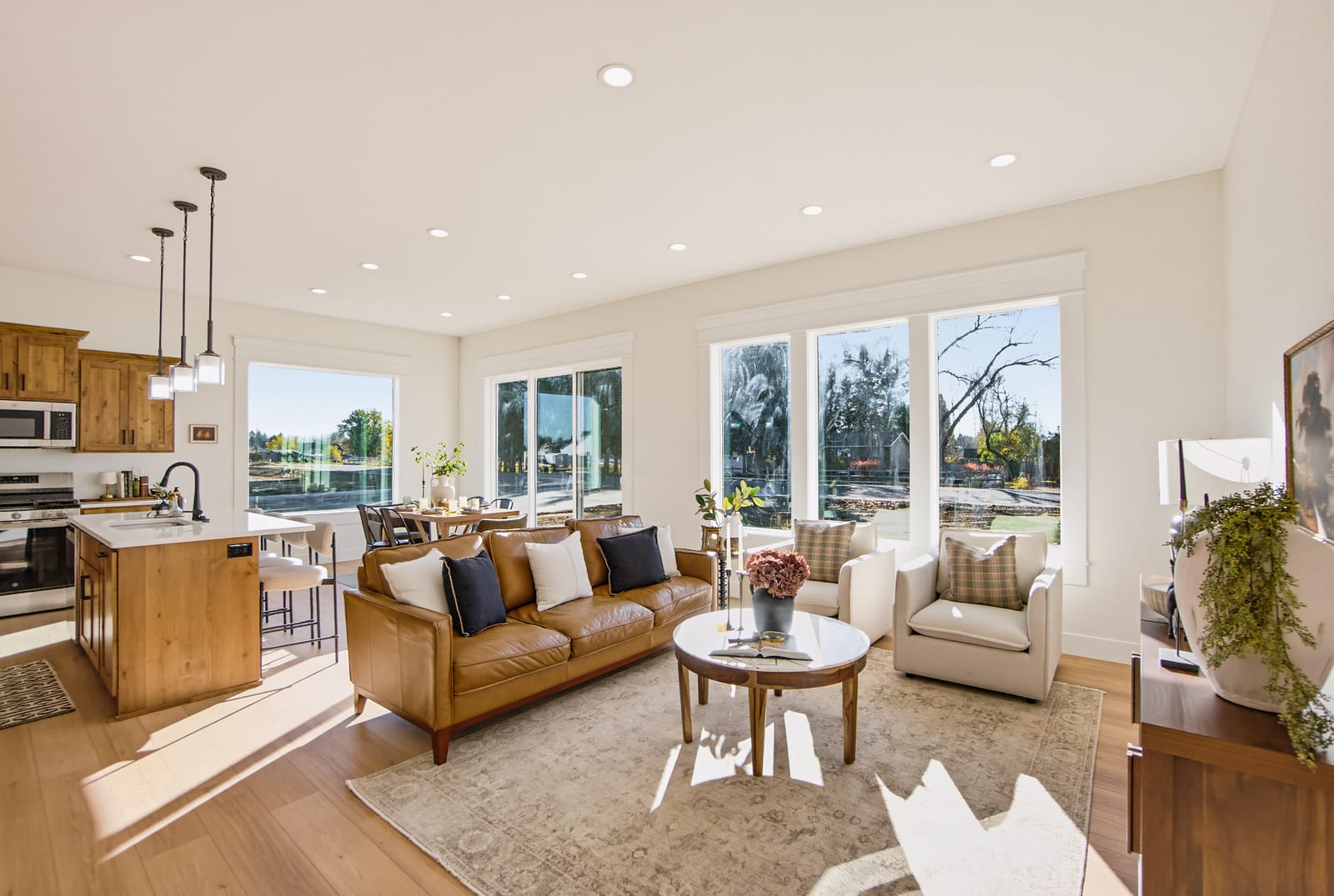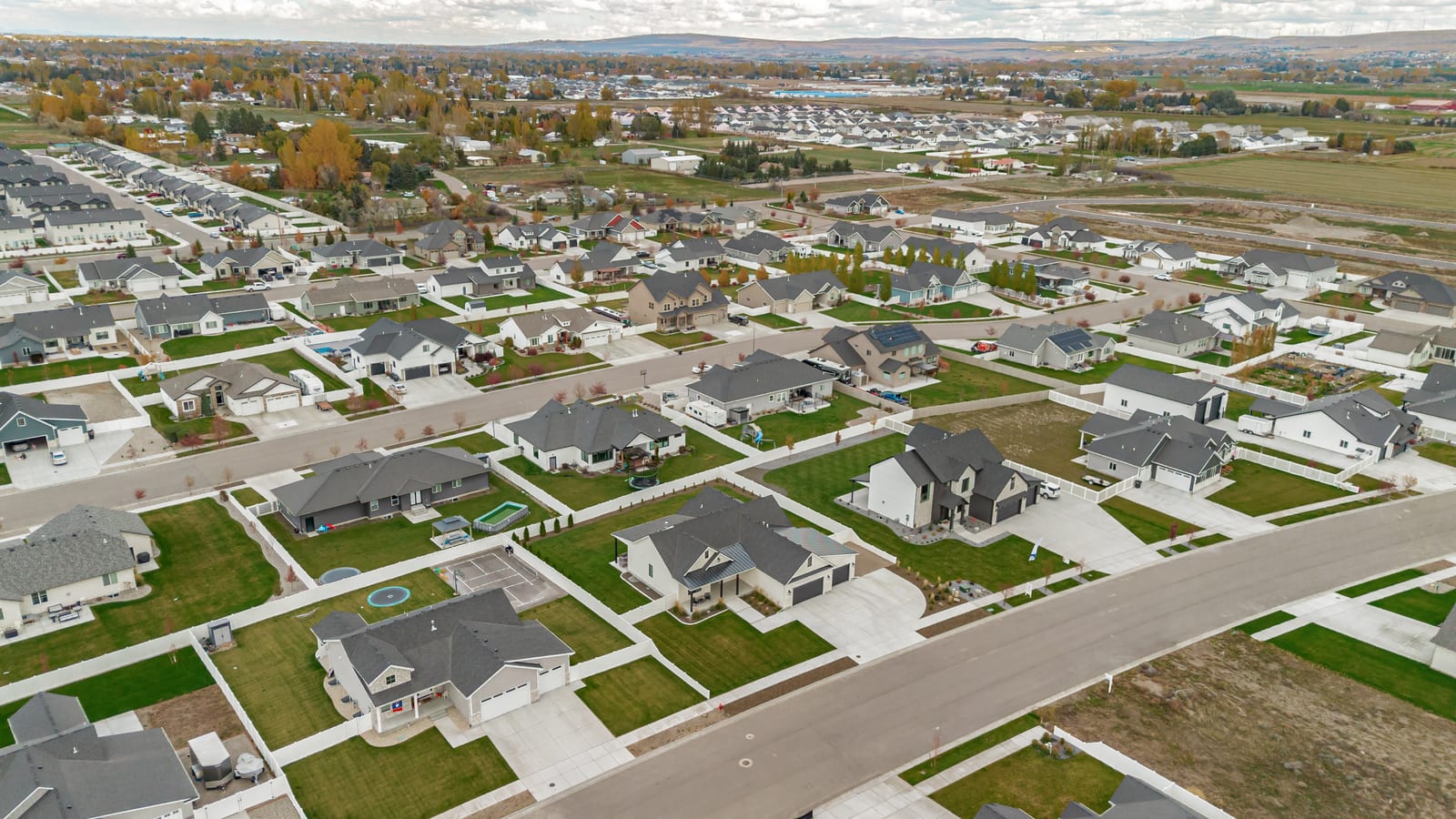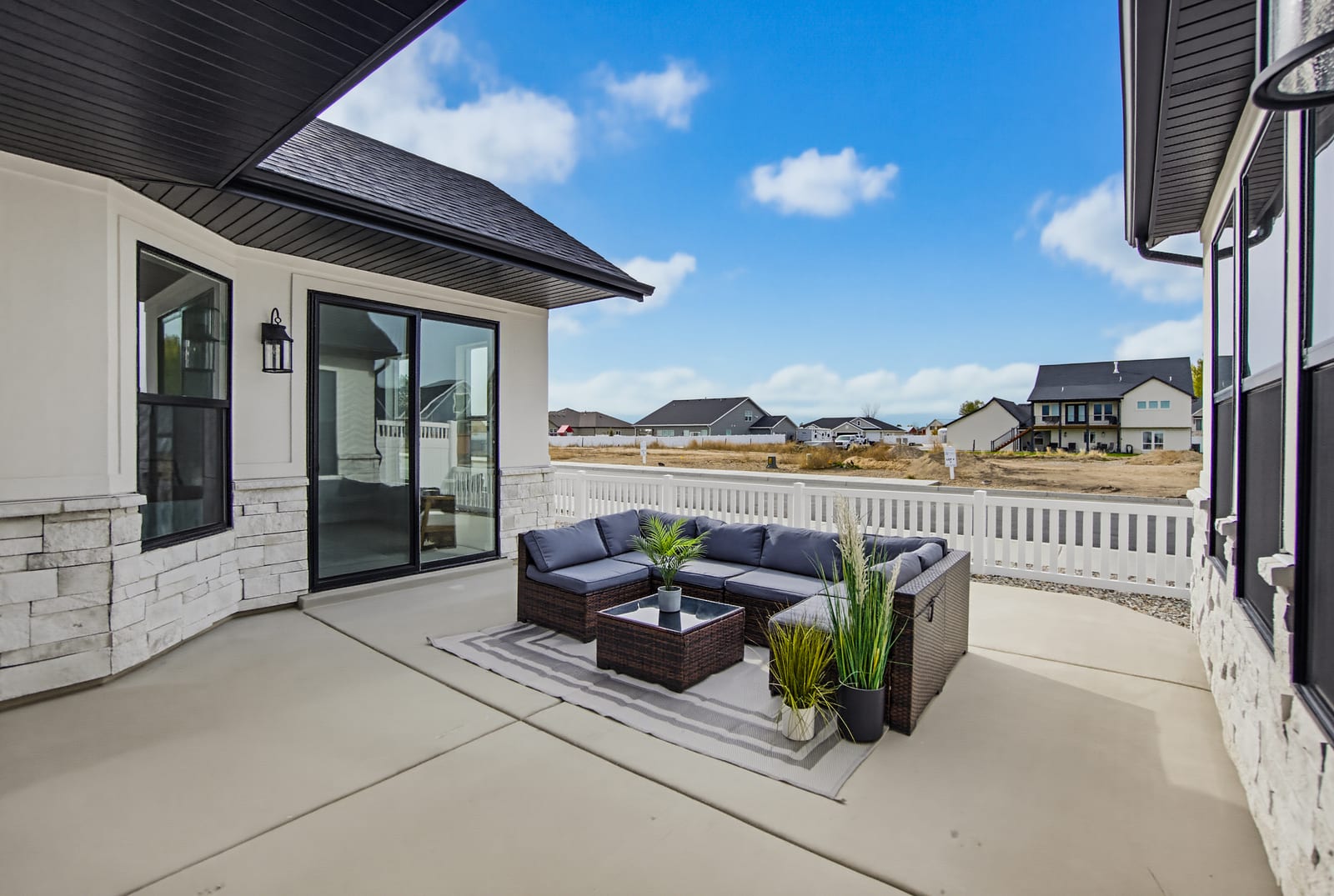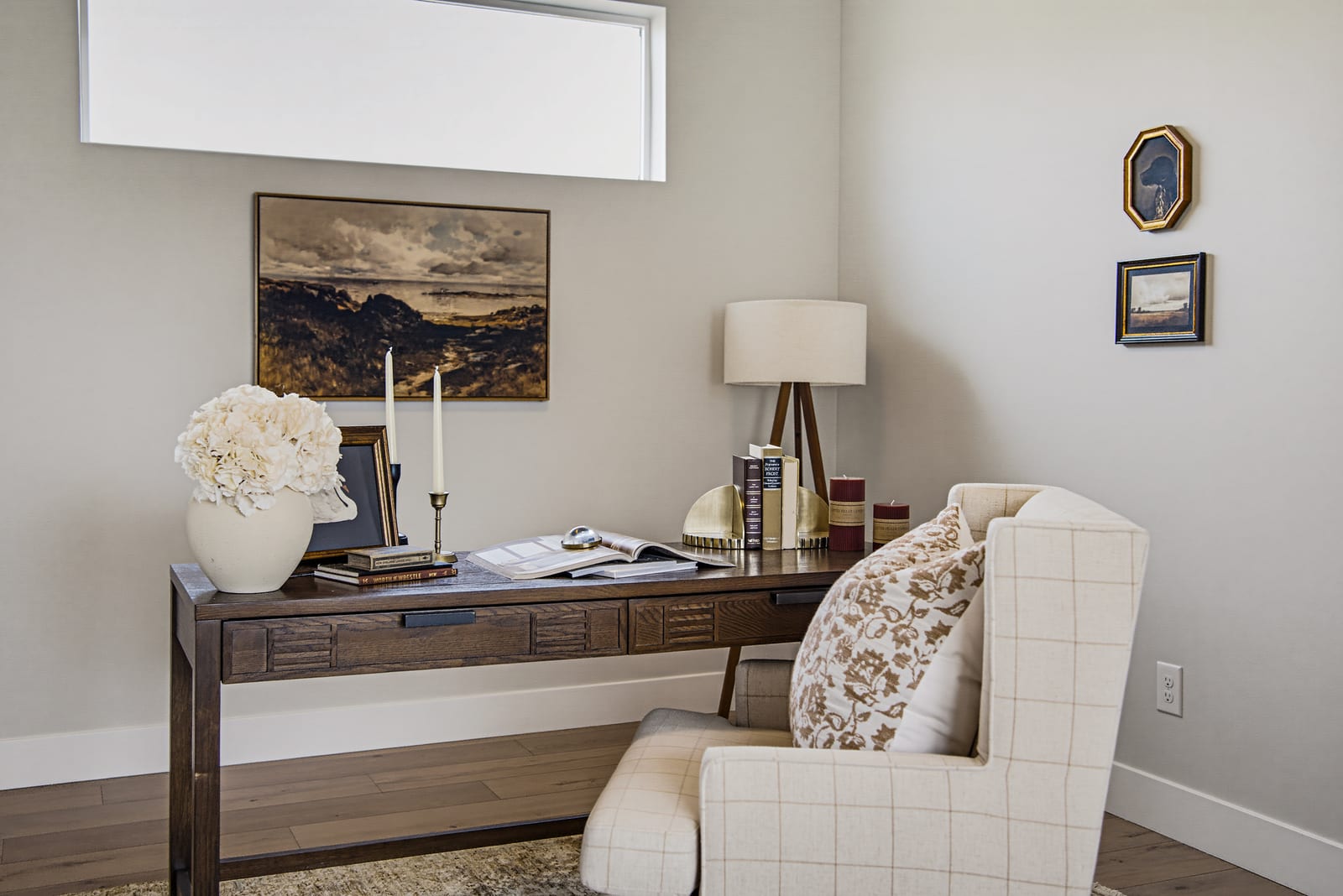
Most buyers read a listing description with the photos on the same screen, or open in the next tab. When the words and the gallery agree, each makes the other easier to believe. When they don't, buyers notice, and they usually trust the photos over the words.
Start with the gallery open
Before you write anything, scroll through the photos in order. The first few are what a buyer saw before deciding to read at all, so it helps to open the description with whatever the lead photo shows. If the gallery opens on the kitchen, the first sentence can be about the kitchen. We wrote about how that first photo gets chosen in how we pick the lead photo.
From there, following roughly the same order as the gallery lets a buyer read along and match each line to a photo.
Describe what the camera saw
The details a buyer can see in the photos are the ones worth naming: the quartz island, the wall of windows facing the foothills, the knotty alder cabinets, the covered patio. Words like "spacious" and "stunning" could describe any house. "A ten-foot island with seating for four" is something a buyer can check against the photo, and when it matches, the rest of the description gets more trust too.
Size words matter most here. If a room photographs as cozy, it's fine to call it cozy. A buyer who reads "huge bonus room" and then sees a modest one in the gallery starts doubting everything else on the page.
Leave the word "staged" out
When a home has been staged, the furniture is there to help buyers picture their own life in those rooms. Writing "beautifully staged" in the description pulls them right back out of that by reminding them none of it is staying. Describe the room instead: the morning light in the breakfast nook, the space for a sectional in front of the fireplace, the quiet bedroom at the end of the hall.
Use the description for what photos can't show
There's plenty a camera can't capture: a new roof, a furnace replaced last year, a quiet cul-de-sac, a short walk to a park or school, a shop with 220 power. That's what the description is for. The photos show how the home looks, and the words can cover what's been updated and what it's like to live there.
Keep it as honest as the photos
We photograph every home as it is, including the ones that need work. Our post on shooting a fixer-upper honestly explains how. The description works best when it does the same. "Ready for your updates" sets the right expectation, and a buyer who arrives expecting exactly what they saw and read is a lot easier to write an offer with.
A first draft from AI is fine
AI tools are good at turning a list of features into a readable first draft, and there's no reason not to use one. Give it the details you can see in the photos and the ones you know from the walkthrough, then edit what comes back so every claim matches the gallery. Read the finished description once with the photos open beside it before it goes live.
On a listing page, the description and the photos sit on the same screen, so it matters even more that they agree. And when your photos are delivered, we're always happy to tell you which shots we'd lean on.